
There’s nothing quite like freshly flat-ironed hair. It looks smooth, shiny, and effortlessly polished. But keeping that sleek finish throughout the day — or even for several days — can be challenging. Humidity, sweat, friction, and everyday activities can quickly bring back frizz, unwanted waves, and flyaways.
The good news? With the right preparation, styling techniques, and aftercare routine, you can help your straight hairstyle last longer without constantly reaching for your flat iron.
In this guide, Vesora Hair shares seven practical tips to help you maintain smooth, straight hair, reduce frizz, and protect your strands from unnecessary heat damage.
Prepare Your Hair Before Straightening
A long-lasting straight hairstyle starts before you turn on your flat iron. Clean, well-conditioned, and properly dried hair is easier to style and helps you achieve a smoother finish.
Choose the Right Shampoo and Conditioner
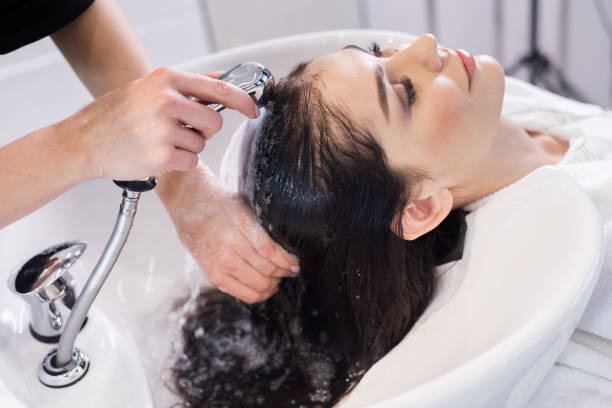
Start with a shampoo and conditioner suited to your hair type. Smoothing or anti-frizz formulas can help reduce flyaways and make your hair easier to manage.
If your hair is dry or damaged, choose moisturizing products that help soften the strands without leaving behind heavy residue. Fine hair usually benefits from lightweight formulas, while thick or coarse hair may need richer conditioning products.
You don’t necessarily need to avoid every product containing sulfates or alcohol. Instead, focus on how a formula works with your hair and avoid products that leave it excessively dry or weighed down.
Deep Condition for Softer, Smoother Hair

Dry hair is often more difficult to manage and may appear frizzy after straightening. Using a deep conditioning mask periodically can help improve softness, smoothness, and manageability.
Choose a moisturizing mask if your hair feels dry, or a protein-containing treatment if your strands need additional strengthening. Follow the product instructions and avoid applying heavy treatments too frequently if your hair becomes limp or coated.
Pro tip: Apply conditioner mainly to your mid-lengths and ends if your roots tend to become oily quickly.
Always Apply a Heat Protectant
Heat protection is an essential step before blow-drying or using a flat iron. A heat protectant helps reduce heat-related damage and can improve smoothness, depending on the formula.
Apply it evenly according to the product instructions, paying attention to the mid-lengths and ends. Some products are designed for damp hair, while others are intended for dry hair, so check the label before use.
Remember that a heat protectant helps minimize damage — it does not eliminate it completely.
Blow-Dry Your Hair Until It Is Completely Dry
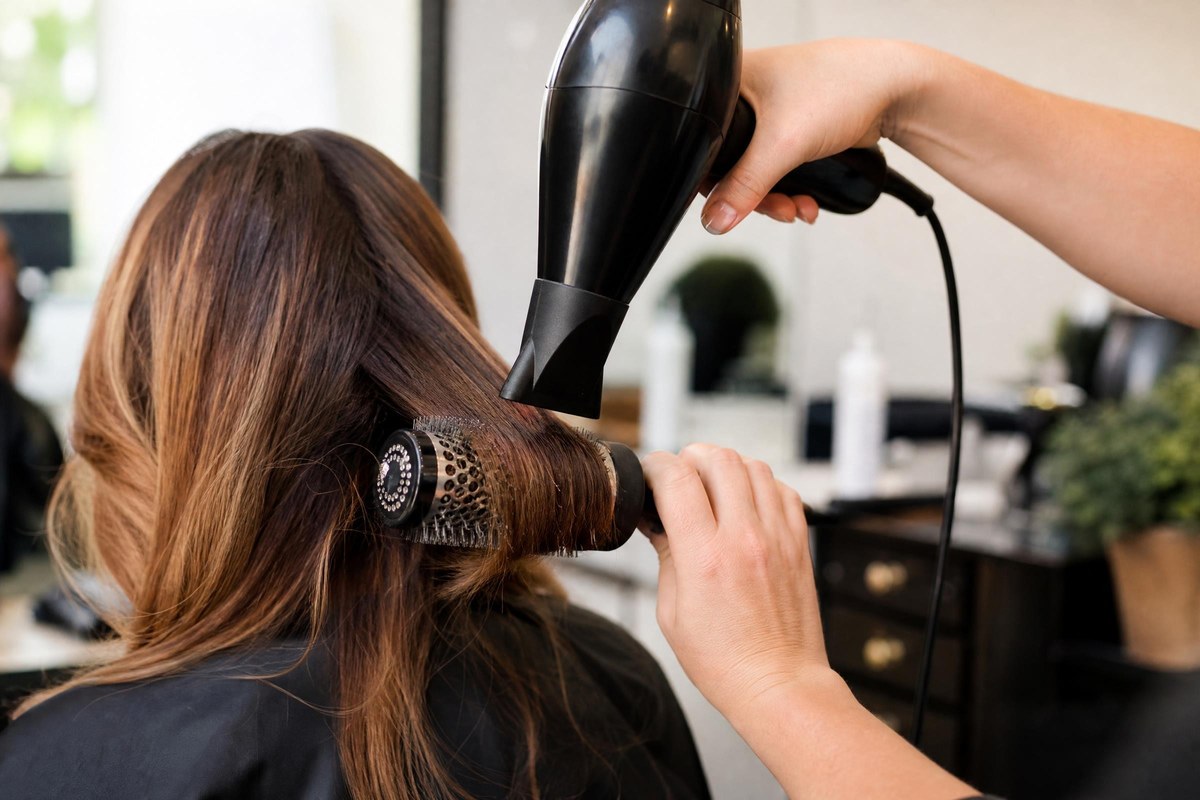
For most hair types, blow-drying with a brush before flat ironing helps create a smoother foundation. It reduces the amount of work your flat iron needs to do and can help you achieve a more polished result.
Use a paddle brush for a sleek, straight finish or a round brush to add movement and shape. Direct the airflow downward along the hair shaft to help smooth the outer layer of your hair.
Important: Never use a standard flat iron on damp hair unless the tool is specifically designed for wet-to-dry styling. Make sure your hair is completely dry before straightening.
Master the Right Flat Iron Technique
Even the best styling products cannot compensate for poor technique. Choosing the right tool, working in small sections, and using an appropriate temperature can make a noticeable difference in your results.
Choose a Flat Iron That Suits Your Hair
When shopping for a flat iron, look for smooth plates, consistent heat distribution, and adjustable temperature settings.
- Ceramic plates: A versatile option for fine to medium hair and everyday styling.
- Titanium plates: Often heat up quickly and work efficiently on thick or coarse hair, but require careful temperature control.
- Adjustable heat settings: Allow you to choose a temperature that suits your hair’s condition and texture.
You don’t need the hottest or most expensive tool to achieve straight hair. The goal is to find a flat iron that delivers a smooth finish at the lowest effective temperature.
Straighten Your Hair in Small Sections

Working with smaller sections helps distribute heat more evenly and makes it easier to achieve consistent results.
Follow these steps:
- Divide your hair into manageable sections using clips.
- Start with a thin section that the plates can comfortably grip.
- Position the flat iron near the roots without touching your scalp.
- Glide it steadily toward the ends without stopping in one place.
- Repeat only when necessary, rather than making multiple passes over every section.
Rushing through large sections often leads to uneven results and encourages repeated heat exposure.
Pro tip: Keep your movements controlled and consistent. A smooth, steady pass is generally better than repeatedly clamping the same section.
Use the Lowest Effective Temperature
Higher temperatures do not automatically produce better or longer-lasting results. Excessive heat can weaken the hair shaft, increase breakage, and make damaged hair look rougher over time.
Use your tool’s lowest effective setting and follow its manufacturer instructions. The ranges below are starting points, not strict rules.
Hair type or condition – Suggested starting range:
Fine, fragile, or damaged hair: 250–300°F (120–150°C)
Fine to medium, relatively healthy hair: 300–350°F (150–175°C)
Medium to thick, healthy hair: 325–375°F (165–190°C)
Very thick or coarse, healthy hair: 350–400°F (175–205°C), if needed
Avoid jumping straight to the highest setting. If your hair is bleached, chemically treated, or significantly damaged, use extra caution and consider reducing heat styling altogether.
Set Your Style for a Sleek Finish
Once your hair is straight, a few simple finishing steps can help preserve its smooth appearance and natural movement.
Let Your Hair Cool Completely
After straightening each section, allow your hair to cool before brushing, tying it up, or tucking it behind your ears.
Hair that is still warm can be more easily reshaped by pressure or movement. Letting it cool naturally helps reduce unwanted bends and creases.
Avoid putting freshly straightened hair into a tight ponytail or bun, as this can leave visible marks.
Apply a Lightweight Serum

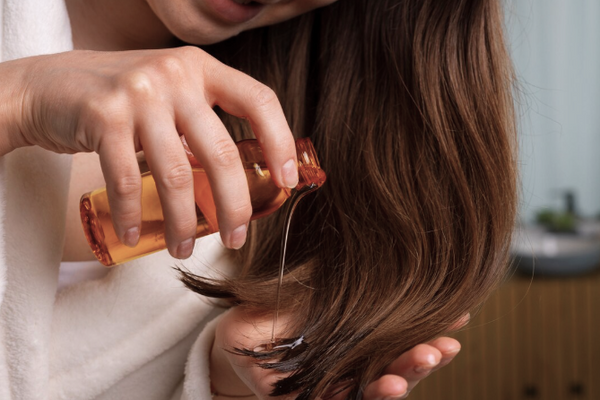
A lightweight smoothing serum can help tame flyaways, add shine, and improve the appearance of frizz.
Rub a small amount between your palms and gently distribute it through the mid-lengths and ends. Start with less product and add more only if needed.
Avoid applying too much oil or serum near the roots, especially if your hair is fine or naturally oily. Heavy buildup can make straight hair look greasy and cause it to lose volume.
Finish With an Anti-Humidity Hairspray
If you want your style to last in humid weather, consider using a lightweight anti-humidity finishing spray or flexible-hold hairspray.
These products can help reduce frizz and keep your hairstyle looking polished without making it stiff. Apply according to the label, keeping the spray at the recommended distance from your hair.
A little product goes a long way. The aim is to maintain movement and softness, not create a hard, product-heavy finish.
Protect Your Hair While You Sleep
Your nighttime routine can make a significant difference in how your hair looks the next morning. Friction, tossing and turning, and trapped moisture can all contribute to frizz and unwanted bends.
Wrap Your Hair With a Silk or Satin Scarf
Wrapping your hair before bed is a simple way to help maintain a straight style.
Gently brush your hair into place and wrap it around your head, securing it with a few flat clips if needed. Cover it with a silk or satin scarf to help reduce friction while you sleep.
Make sure the wrap is comfortable and not too tight, as excessive tension can stress your hair and hairline.
Switch to a Silk or Satin Pillowcase
If wrapping your hair feels uncomfortable, try sleeping on a silk or satin pillowcase instead.
These smooth fabrics generally create less friction than traditional cotton pillowcases, which may help reduce tangles, flyaways, and friction-related breakage.
Neither option can prevent all frizz, but both can make overnight hair maintenance easier.
Keep Your Hair Loose and Avoid Tight Hairstyles
The popular pineapple method is mainly used to preserve curls and is not ideal for keeping flat-ironed hair perfectly straight. A high ponytail or bun may leave bends and creases.
Instead, keep your hair loose or gently wrap it around your head before bed. If you need to secure it, use a soft scrunchie loosely and avoid placing it tightly around the same section.
Keep Humidity and Frizz Under Control
Humidity is one of the biggest challenges for straightened hair, particularly if your natural texture is wavy, curly, or coily.
Hair absorbs moisture from the surrounding air, which can disrupt a smooth style and encourage your natural texture to return.
Limit Exposure to Steam and Excess Moisture
You don’t need to avoid humid weather entirely, but minimizing unnecessary moisture can help your style last longer.
Try these habits:
- Wear a shower cap when showering.
- Keep your hair away from direct steam in the bathroom.
- Avoid getting your hair wet during workouts or outdoor activities.
- Let your hair cool before putting on a hat or hood.
- Use an umbrella or suitable head covering when rain is expected.
If you live in a humid climate, planning around the weather can help you get more wear out of your straight hairstyle.
Use Products Designed for Humid Weather
Anti-humidity sprays, smoothing creams, and lightweight serums can help reduce moisture-related frizz. Look for a product that suits your hair type and is specifically designed to help control humidity.
Apply it as directed, either before styling or as a finishing step, depending on the formula.
Keep in mind that no product can completely prevent your hair from responding to moisture, especially in very humid conditions.
Use Dry Shampoo to Manage Oily Roots
Sweat and excess scalp oil can make straight hair look flat and greasy, even when the lengths still look smooth.
Dry shampoo can absorb some excess oil and refresh your roots between washes. Apply a small amount according to the directions, allow it to sit if instructed, and gently work it through your roots.
Dry shampoo is not a substitute for washing your scalp when it needs cleansing. If you exercise frequently or sweat heavily, adjust your washing routine to keep your scalp comfortable and healthy.
Refresh Your Hair Without Overusing Heat
Your hair may not need a complete restyling every morning. Sometimes, a few targeted adjustments are enough to restore a neat, polished appearance.
Touch Up Only the Sections That Need It

If a few pieces have developed bends or waves, use your flat iron only on those areas.
Before doing so, make sure your hair is completely dry. Follow the product instructions for your heat protectant, use a low effective temperature, and avoid repeatedly straightening the same strands.
If your hair feels unusually dry, brittle, or rough, skip the touch-up and give it a break from heat styling.
Use a Blow-Dryer to Smooth Minor Creases
For slight bends around the roots or hairline, a blow-dryer may be enough to refresh your look.
Lightly mist the affected area with water only if appropriate for your styling routine, then use a brush and controlled airflow to smooth the section. Make sure the hair is completely dry before finishing.
This approach can help you avoid using a flat iron for every small imperfection.
Avoid Product Buildup
Adding more serum, hairspray, or dry shampoo every day can gradually leave your hair feeling heavy and looking dull.
Use products sparingly and focus on the areas that need them. When your hair begins to feel coated or your scalp feels uncomfortable, wash it rather than continuing to layer products.
A clean, lightweight finish often looks better than hair overloaded with styling products.
Maintain Healthy Hair for Long-Lasting Results
Long-lasting straight hair is not just about styling techniques. Healthy, well-maintained strands are generally easier to manage and more likely to look smooth and shiny.
Trim Split Ends Regularly

Split ends can make your hair appear rough, frizzy, and uneven, even after straightening.
Trim your hair when you notice split ends, persistent tangling, or damage. Some people benefit from trims every 6–8 weeks, while others can go longer depending on their hair length, condition, and styling habits.
Regular trims do not make hair grow faster, but they can help prevent split ends from traveling farther up the hair shaft.
Give Your Hair a Break From Heat
Repeated high-heat styling can gradually damage the hair cuticle and weaken the strands. Over time, damaged hair may become more prone to breakage and frizz.
To reduce unnecessary heat exposure:
- Avoid straightening your hair every day when possible.
- Use heat-free techniques to maintain your style overnight.
- Choose the lowest effective temperature.
- Keep your hair moisturized with suitable conditioning products.
- Avoid combining excessive heat with frequent bleaching or other harsh chemical treatments.
If your hair becomes brittle or starts breaking, reduce heat styling and focus on gentle care.
Support Hair Health With a Balanced Diet

Hair health is influenced by several factors, including genetics, overall health, and nutrition.
A balanced diet that provides sufficient protein, iron, zinc, and essential vitamins supports normal hair growth and maintenance. Foods such as eggs, fish, beans, nuts, seeds, fruits, and vegetables can contribute to a varied, nutrient-rich diet.
Drinking enough water supports overall health, but extra water alone will not make your hair naturally straighter or prevent humidity-related frizz. Supplements are generally unnecessary unless you have a nutritional deficiency or a healthcare professional recommends them.
Wash Your Hair as Often as It Needs

You may have heard that washing your hair less frequently helps preserve a straight style. While spacing out washes can reduce how often you need to restyle, there is no universal rule that everyone should wash their hair only two or three times a week.
Your ideal washing schedule depends on your scalp, hair texture, activity level, and the products you use.
If your scalp becomes oily or sweaty quickly, washing more frequently may be appropriate. If your hair is dry or textured, you may prefer longer intervals between washes. Choose a routine that keeps your scalp clean and your hair manageable without excessive dryness.
Final Thoughts

Keeping flat-ironed hair straight for longer doesn’t require an elaborate routine or endless touch-ups. The key is to prepare your hair properly, use the right styling technique, protect it from humidity, and minimize friction while you sleep.
Start with a few simple habits: apply a heat protectant, straighten completely dry hair in small sections, use a suitable temperature, and let your hair cool before styling it further. At night, try a satin or silk scarf, and refresh your look with minimal heat when necessary.
Most importantly, remember that healthy hair is the foundation of a beautiful, long-lasting style. By balancing effective styling with gentle aftercare, you can enjoy smooth, shiny hair while helping reduce unnecessary damage.
Looking for beautiful hair extensions to complement your style? Vesora Hair is here to help you explore hair solutions that suit your needs. Discover our collection and contact our team to learn more about finding the right hair extensions for your desired look.

No comments yet. Be the first to join the conversation.