
Among the diverse hair textures, Type 4 hair is recognized for its tight curls and coils, further classified into three subtypes: 4A, 4B, and 4C. Each of these has unique characteristics that require specific care routines to maintain healthy, hydrated, and defined curls. This article explores what is 4c hair, the differences between these textures 4a 4b and 4c hair, the challenges they face, and the best practices for caring for them.
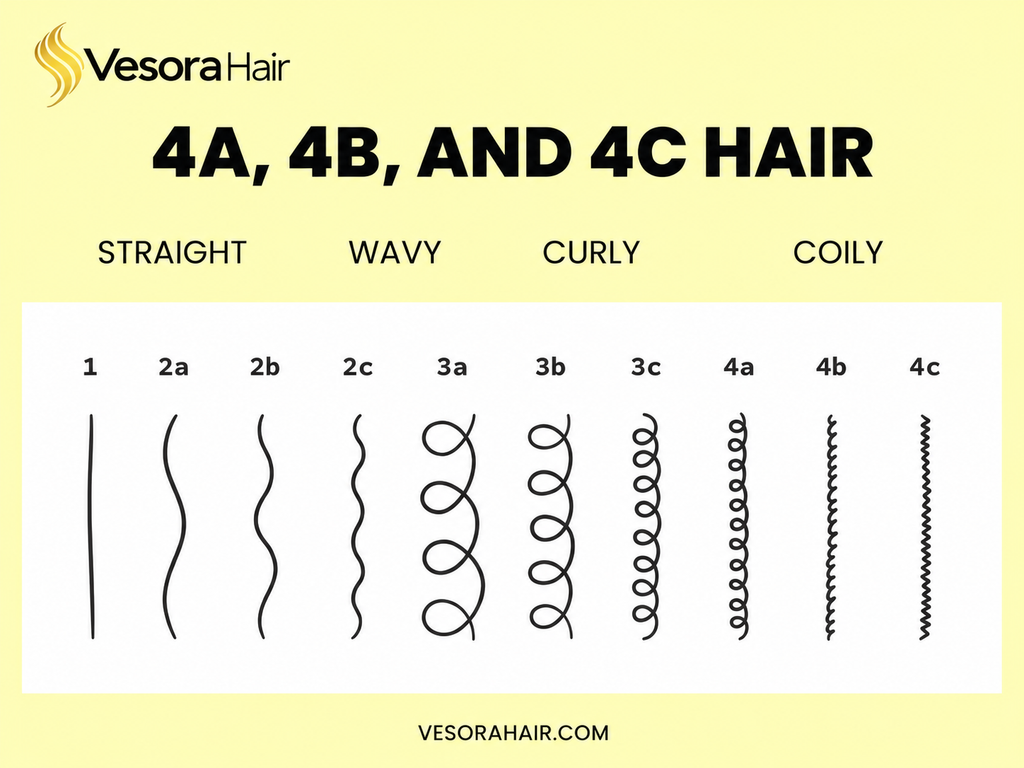
What is 4A, 4B, and 4C Hair?
The Andre Walker Hair Typing System, developed by celebrity hairstylist Andre Walker, categorizes hair textures based on their curl pattern. Type 4 hair is the coiliest and curliest, and is further divided into three distinct subcategories: 4A, 4B, and 4C. Understanding the unique characteristics of each hair type is essential for selecting the right products and hair care routine.
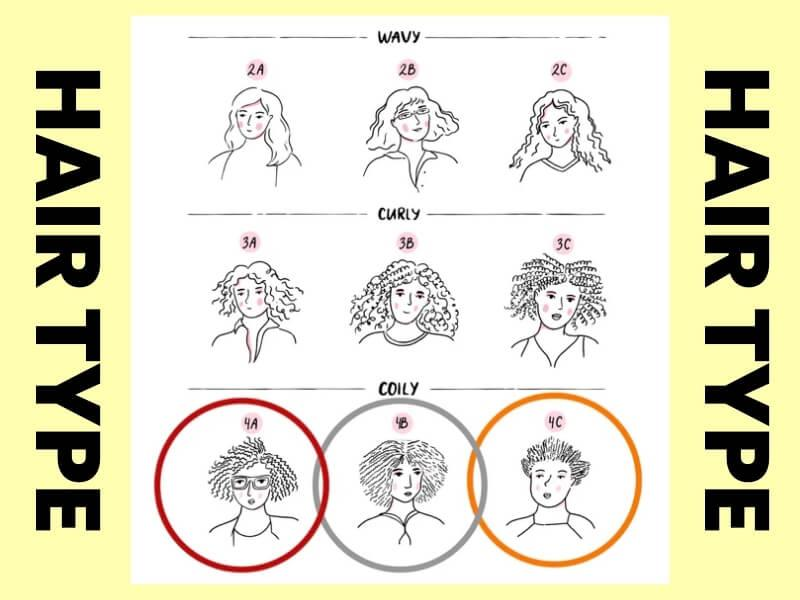
What is 4C Hair Texture?
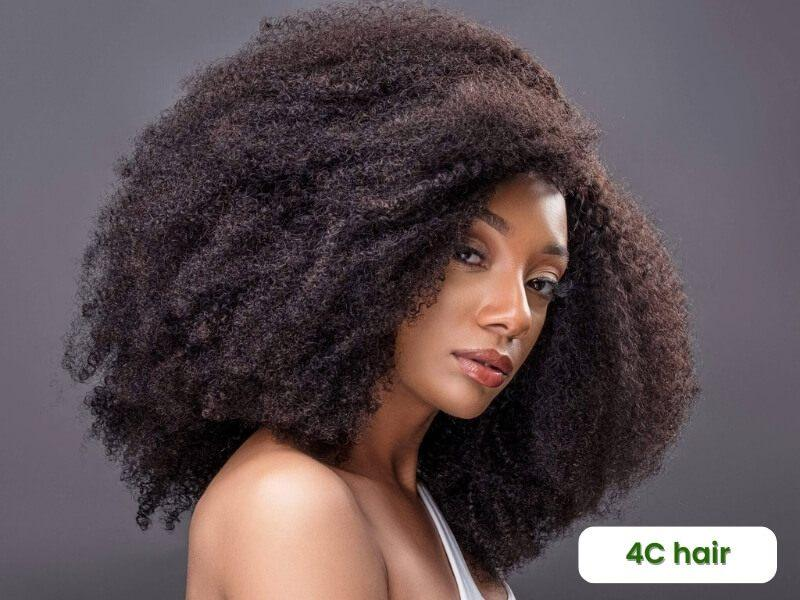
What is type 4c hair? 4C hair is the tightest of all Type 4 hair textures. It consists of densely packed coils that may appear less defined unless styled. This hair type experiences the most shrinkage – up to 75% – making it look much shorter than its actual length. 4C hair is highly prone to dryness and breakage due to its tightly coiled nature, which makes it difficult for natural scalp oils to travel down the hair shaft.
Characteristics of 4C Hair:
- Extremely tight coils that may lack definition.
- Prone to significant shrinkage, often up to 75%.
- The driest and most fragile of the Type 4 hair textures.
- Requires deep conditioning and frequent moisturizing.
Due to its delicate nature, 4C hair benefits from protective styling, minimal manipulation, and hydration techniques such as the LOC (Liquid, Oil, Cream) or LCO (Liquid, Cream, Oil) method. Stretching techniques like African threading, twist-outs, and braid-outs can also help in elongating 4C curls.
Best Care Tips for 4C Hair
- Co-wash instead of using shampoo frequently to avoid excessive dryness.
- Deep condition regularly with thick, creamy products to maintain hydration.
- Use the LOC (Liquid, Oil, Cream) or LCO (Liquid, Cream, Oil) method for maximum moisture retention.
- Stretching techniques like African threading, banding, and twist-outs can help reduce shrinkage.
What is 4A Hair Texture?
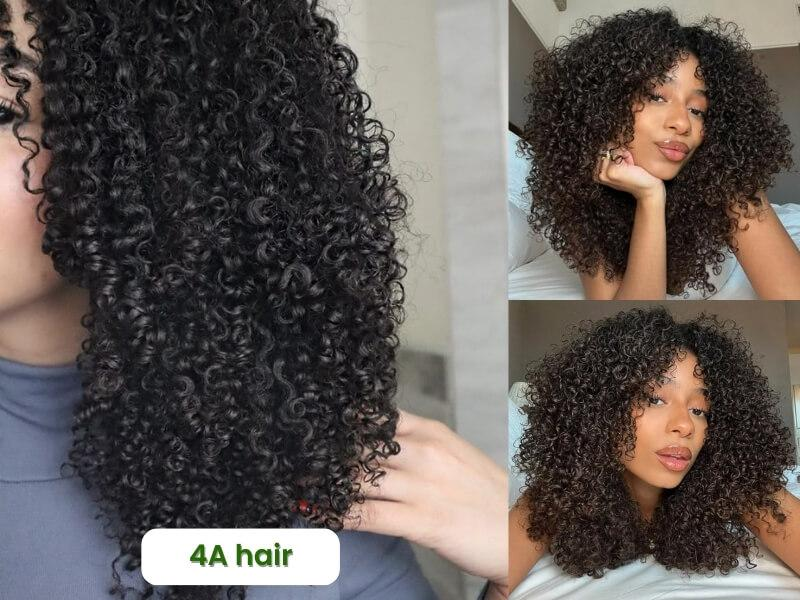
4A hair is characterized by well-defined, tight curls that form an S-pattern. The curls in 4A hair are typically springy and retain more moisture than 4B and 4C hair due to their looser coil pattern. This type of hair has a soft and bouncy texture, making it more manageable than other Type 4 textures. People with 4A hair may experience moderate shrinkage, meaning that their hair appears significantly shorter when dry compared to its actual length when stretched.
Characteristics of 4A Hair:
- Well-defined curls with an S-shaped pattern.
- Soft, bouncy texture that retains more moisture than other Type 4 hair.
- Moderate shrinkage, usually around 50% of its actual length.
- Prone to frizz and dryness if not properly moisturized.
Best Care Tips for 4A Hair
- Use a sulfate-free moisturizing shampoo to avoid stripping the hair of its natural oils.
- Deep condition weekly to keep curls hydrated and healthy.
- Apply leave-in conditioners and lightweight styling gels to maintain curl definition.
- Protective styles like bantu knots, twist-outs, and wash-and-gos work well for 4A hair.
What is 4B Hair Texture?
4B hair has a unique Z-shaped curl pattern, rather than the defined ringlets seen in 4A hair. The strands of 4B hair bend at sharp angles, giving the hair a fluffy appearance with less curl definition. This hair type can vary in density, ranging from fine to coarse, and often experiences significant shrinkage—sometimes up to 70% of its actual length.
Characteristics of 4B Hair:
- Tight, zigzag curls with less definition.
- A fluffy, cotton-like texture.
- Prone to dryness and shrinkage, requiring intense moisture.
- Fragile and requires gentle handling to prevent breakage.
Because 4B hair is more prone to tangling, using the right detangling techniques and products is crucial for maintaining its health. Finger detangling or using a wide-tooth comb with a moisturizing conditioner can help reduce breakage.
Best Care Tips for 4B Hair
- Use a hydrating shampoo and conditioner to keep the hair moisturized.
- Detangle with a wide-tooth comb or fingers while the hair is damp and coated with conditioner.
- Apply creamy leave-in products and oils like castor oil to lock in moisture.
- Opt for protective styles such as braids and twists to minimize breakage.



No comments yet. Be the first to join the conversation.